The 4th Echigo-Tsumari Art Triennial, dubbed the world’s largest outdoor art festival, is currently held (July 26 to Sept 13, 2009) in the Echigo-Tsumari region, encompassing Tokamachi City and Tsunan Town in Niigata Prefecture, Japan.

Echigo-Tsumari Art Triennial 2009, Japan

Artists from 38 countries collaborated with local residents and urban supporters to create over 350 artworks in rice paddies, abandoned houses, and closed schools etc. Check the event’s official website for more pics and details.

Nakizumo (lit. crying sumo) is a traditional Japanese festival with 400-years of history. The event, believed to bring good health to the babies, is held annually in temples across Japan where the kids would face-off each other to see who’s crying the soonest (and loudest)…

The above video [credits to garyjpn@youtube for the upload] is probably from Hiroshima in 2009; there are other slightly different format in other places, including in Tokyo where some real sumo wrestlers were involved.

Eating beer cans, swallowing swords, wielding light saber, lesbian kiss, fire show, wacky performance, loud music, booze, dance, girls… that’s what you are going to see from the below video… [by ronindave@youtube, via Japundit]

Founded in October 2005 by ex-French drag queen Adrien Le Danois, Tokyo Decadance had the goal to mix all the most creative, flashy, crazy, exaggerated, extreme, bizarre styles of the Tokyo streets.

The event is now the rendezvous of gothic, cyberpunk, fetish, manga heroine, lolitas, yamanbas, ko gyaru, drag queen, punk, Tokyo jet-set, partymonsters, and also salaryman and ‘normal people’.

The wild party is occasionally on tour in some European cities beside the monthly show in Japan [check out Decadance' Myspace]

“Giant Torayan doll is the ultimate child’s weapon, as it sings, dances, breathes fire, and follows only those orders given by children.” [via designer Kenji Yanobe]

The 7.2 metres robot was on of the biggest attractions of Roppongi Art Night (2009) in Tokyo, Japan. Not really sure what the designer means, but a fire spitting giant robot in real action is always a win in any events…

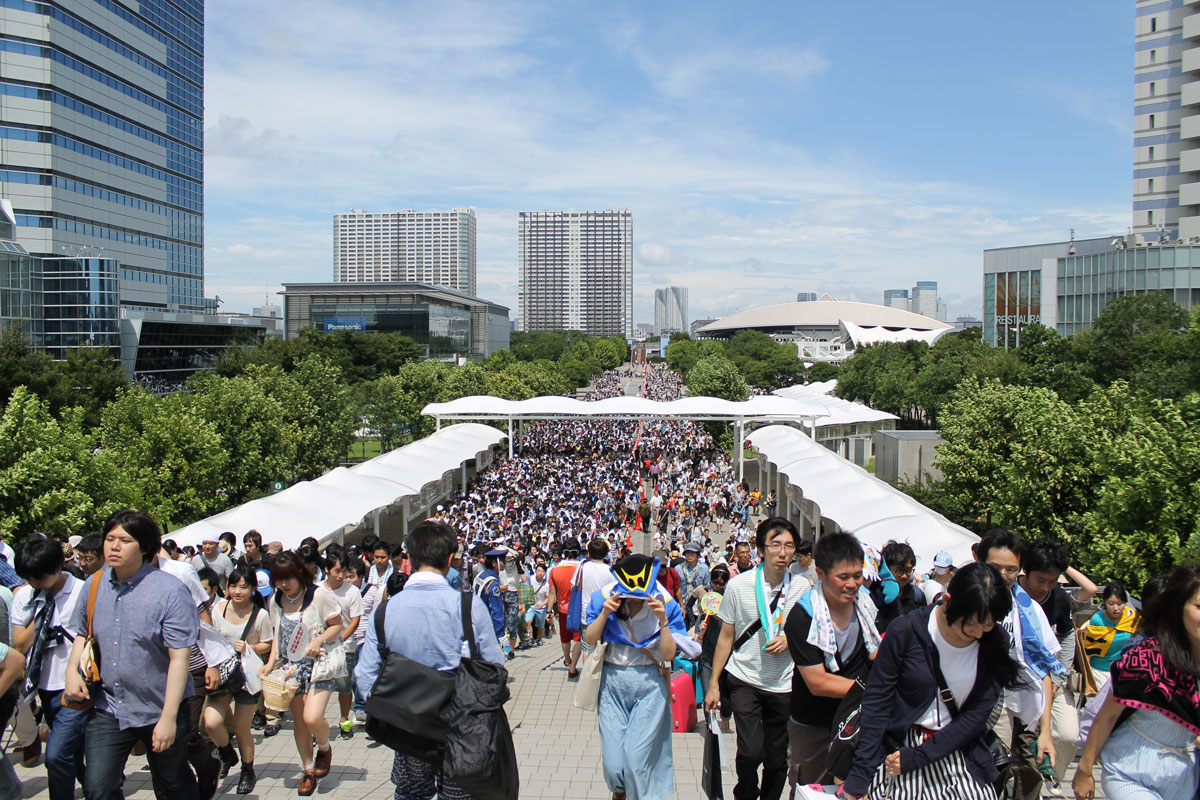
Tokyo International Anime Fair (TAF) is one of the largest anime trade fairs in the world; the 2009 event was held at Tokyo Big Sight on March 18th-21st.

Contrary to most anime conventions, TAF doesn’t allow public cosplay (it’s a trade fair afterall), but the booth babes were probably doing enough to pull in some big crowd. Sharing some photos taken by Exoduz during the TAF 2009…

Tokyo International Anime Fair 2009 at Tokyo Big Sight
Read the rest of this post »

Hina Matsuri (雛祭り – doll festival), or Girls’ Day is a traditional Japanese festival held on March 3rd annually to celebrate the girls’ healthy growth.

Hina Ningyo, Japanese ornament dolls to celebrate Hina Matsuri Japanese Girls Festival
Hina Ningyo, Japanese ornament dolls (Image by Shigemi)

Read the rest of this post »

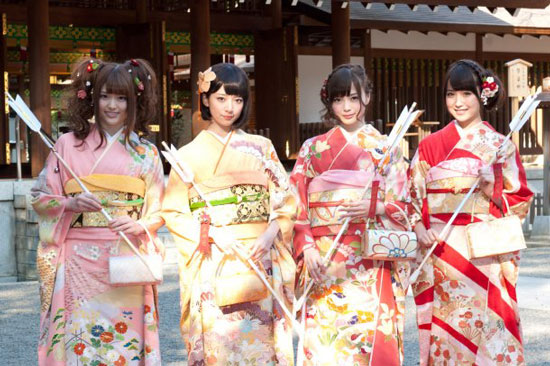
Seijin no Hi (成人の日; literally adult’s day) is a national holiday in Japan which falls on the second Monday in January each year. The holiday is for young Japanese who reached the legal age of adulthood (20) to celebrate their new status.

A Seijin Shiki (成人式; coming-of-age ceremony) is normally held in the morning at local city offices where politicians and academicians will give speeches reminding the new adults of their social responsibilities. The Shin Seijin (新成人; new adults) would often visit a shrine after the ceremony to make their wishes and go for parties later on.

Young ladies are often seen in traditional Furisode on the day, while guys in business suit or traditional Hakama. Sharing a few 2009 pics by Dannychoo the Stormtrooper in Tokyo; obviously a paradise for photography geeks…

Picture of Seijin Shiki, Japanese coming of age ceremony

Read the rest of this post »

Fukubukuro (福袋; lucky bag) is a grab bag filled with random items and traditionally on sale for a substantially discounted price on New Year’s Day in Japan. Thousands of Japanese shoppers would line-up early morning on January 1st to hunt for the goodies at department stores and various shopping outlets.

Picture of Fukubukuro, Japanese lucky bags on New Year day
Fukubukuro (Image by Nathan)

According to Wiki, Fukubukuro was originated from Ginza’s Matsuya Department Store in late Meiji period (1868-1912) and has since become a widespread custom in Japan. The practise was probably first used to offload excess merchandises, but has now evolved into marketing and branding campaigns.

The items in the Fukubukuro is not quite as random compared to early days… lots of the lucky bags these days are themed accordingly (gadgets, apparels, toys etc) and sometimes offered by a particular brand. The shoppers have a good chance of getting what they want, or at least not totally unwanted items.

« Older Entries |

RSS and Newsletter


RSS and XML feed
Enter your email address for updates